A cooler room starts with understanding the sunny window
The IEA's 2026 electricity analysis includes buildings and cooling among the forces shaping demand. At home, the useful starting point is often understanding how your own room changes during the day, before buying another device.
Observe before changing
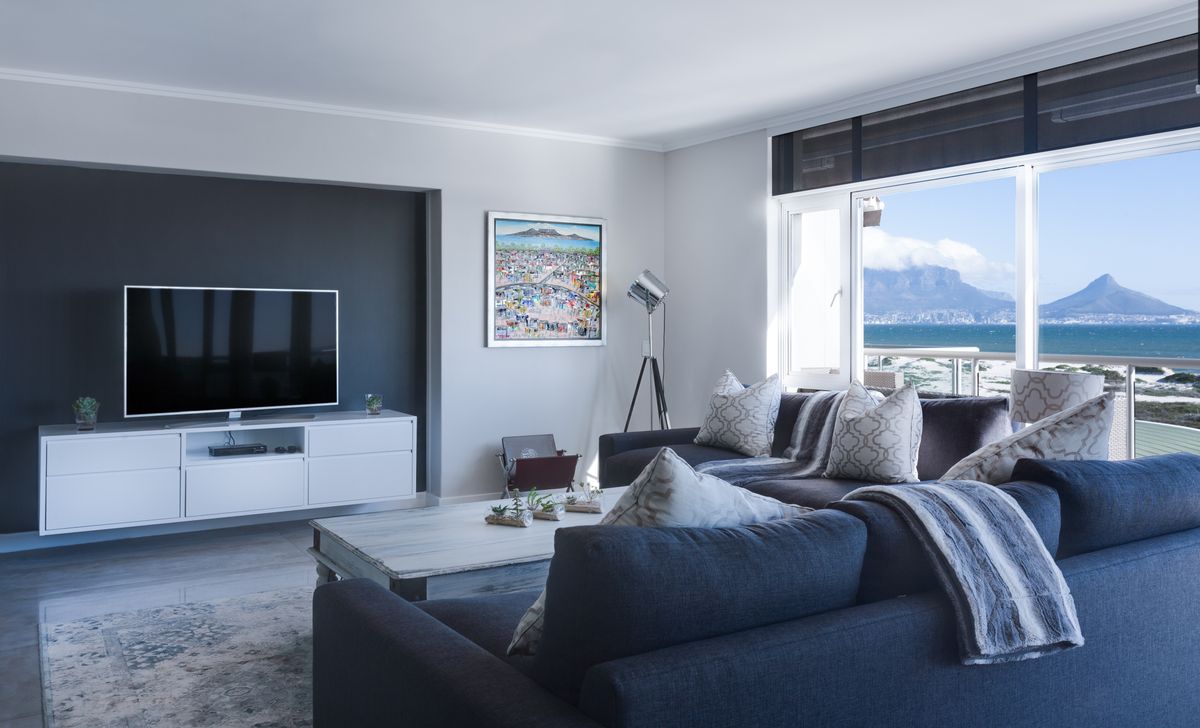
Note which window receives direct sun and when the room becomes uncomfortable. Compare days with similar weather if you can. Keep any temperature-sensitive needs, including those of older adults, babies or people with health conditions, at the centre of decisions.
Try a practical adjustment
Use suitable shading where it is safe and permitted, and follow the instructions for any cooling equipment. Keep vents unobstructed. Do not rely on a fan or a home experiment when local heat guidance calls for a cooler location or other protective action.
Separate comfort from savings claims
Record whether an adjustment improves comfort and, if you have reliable measurements, how electricity use changes. A different weather day can explain a different bill, so avoid attributing every change to the new habit. Consult local heat-health advice during extreme conditions. A small observation routine can inform better questions about the room; it does not replace adequate cooling or professional help with a malfunctioning system.
Sources & further reading
Source material and official guidance. Original practical suggestions are editorial content, not statements from the organisations below. Checked September 14, 2026.
Have a correction or a question about this article? Contact the editorial team. Read our editorial policy and disclaimer.