The small kitchen habit behind a much bigger food-waste story
UNEP put food waste at the centre of its March 2026 Zero Waste Day guidance. The international issue reaches into a very ordinary place: what gets forgotten in a household fridge. A useful response can begin with making existing food easier to see.
Give the next meal a starting point
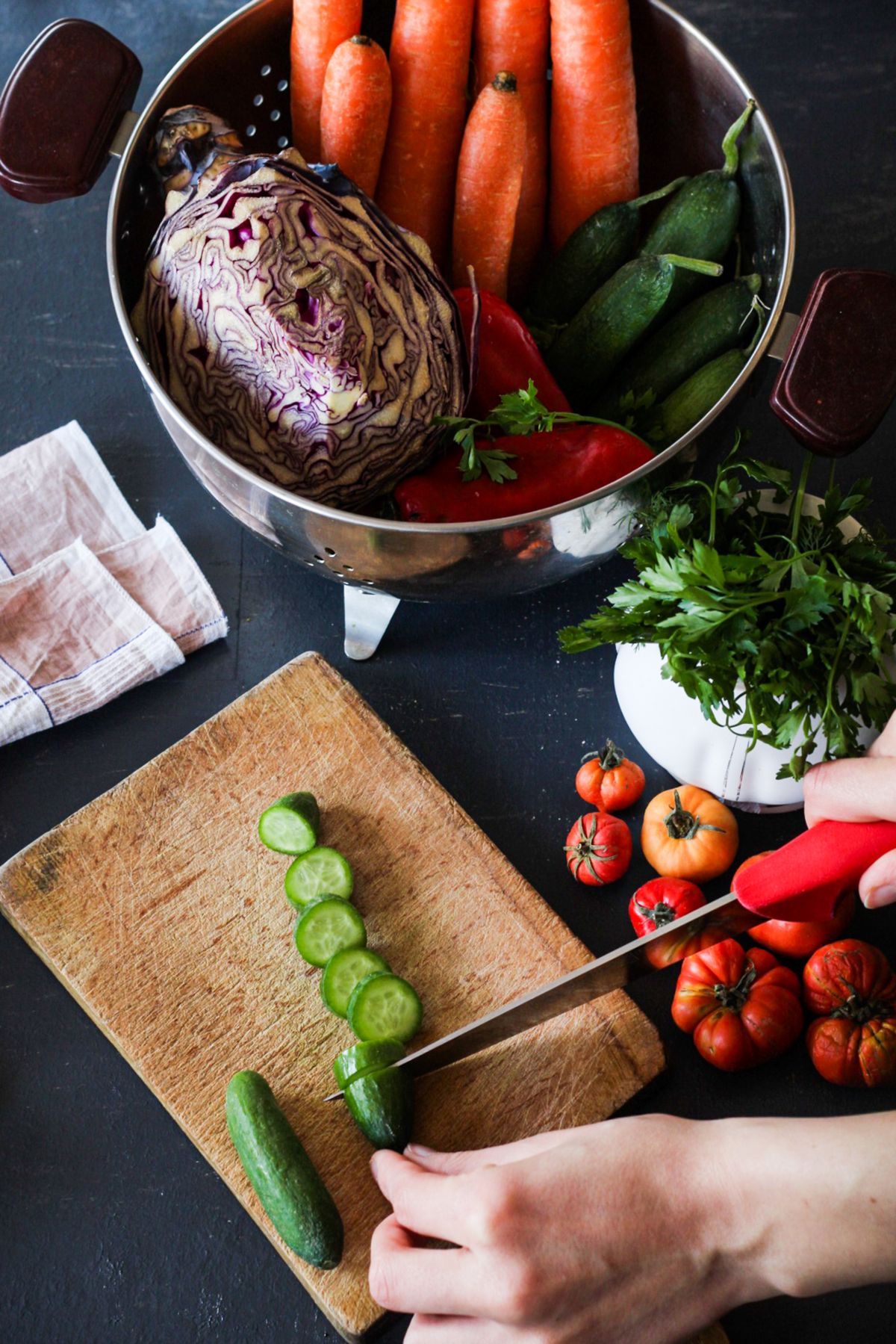
Before choosing a recipe, identify one ingredient that needs using soon. Put it on a written meal note rather than relying on memory. Keep raw ingredients stored safely and separately as appropriate; an “eat first” label is a reminder, not permission to ignore storage instructions.
Try a seven-day experiment
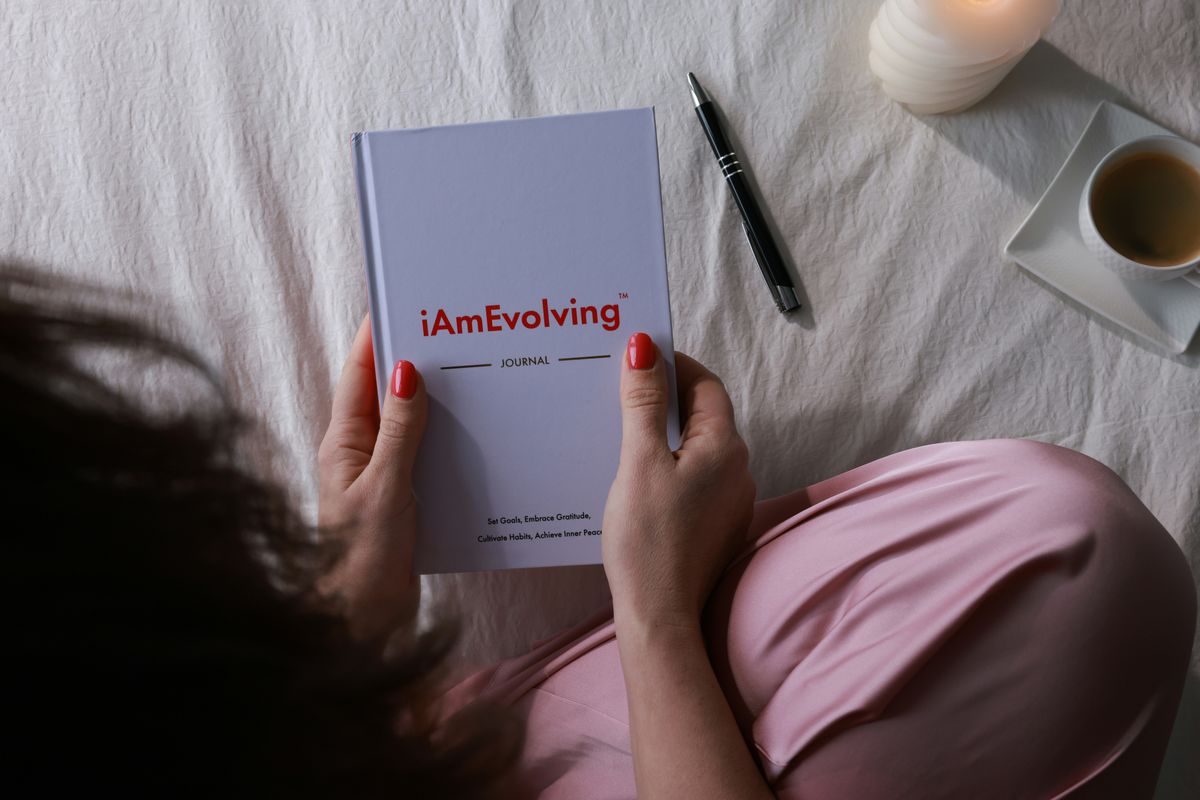
Record what is discarded and why. Was too much cooked, did plans change, or was the package hidden behind something else? A few words are enough. At the end of the week, choose the most frequent cause and change one thing: a smaller purchase, a more visible shelf or a meal that uses the remaining portion.
Measure something you can control
You do not need to calculate a household carbon footprint to know whether fewer ingredients went unused. Count discarded items or note the meals made from food already on hand. Keep the experiment easy enough to repeat. The value comes from learning your household's pattern and adapting it, rather than trying to copy someone else's perfect kitchen routine.
Sources & further reading
Source material and official guidance. Original practical suggestions are editorial content, not statements from the organisations below. Checked September 14, 2026.
Have a correction or a question about this article? Contact the editorial team. Read our editorial policy and disclaimer.